
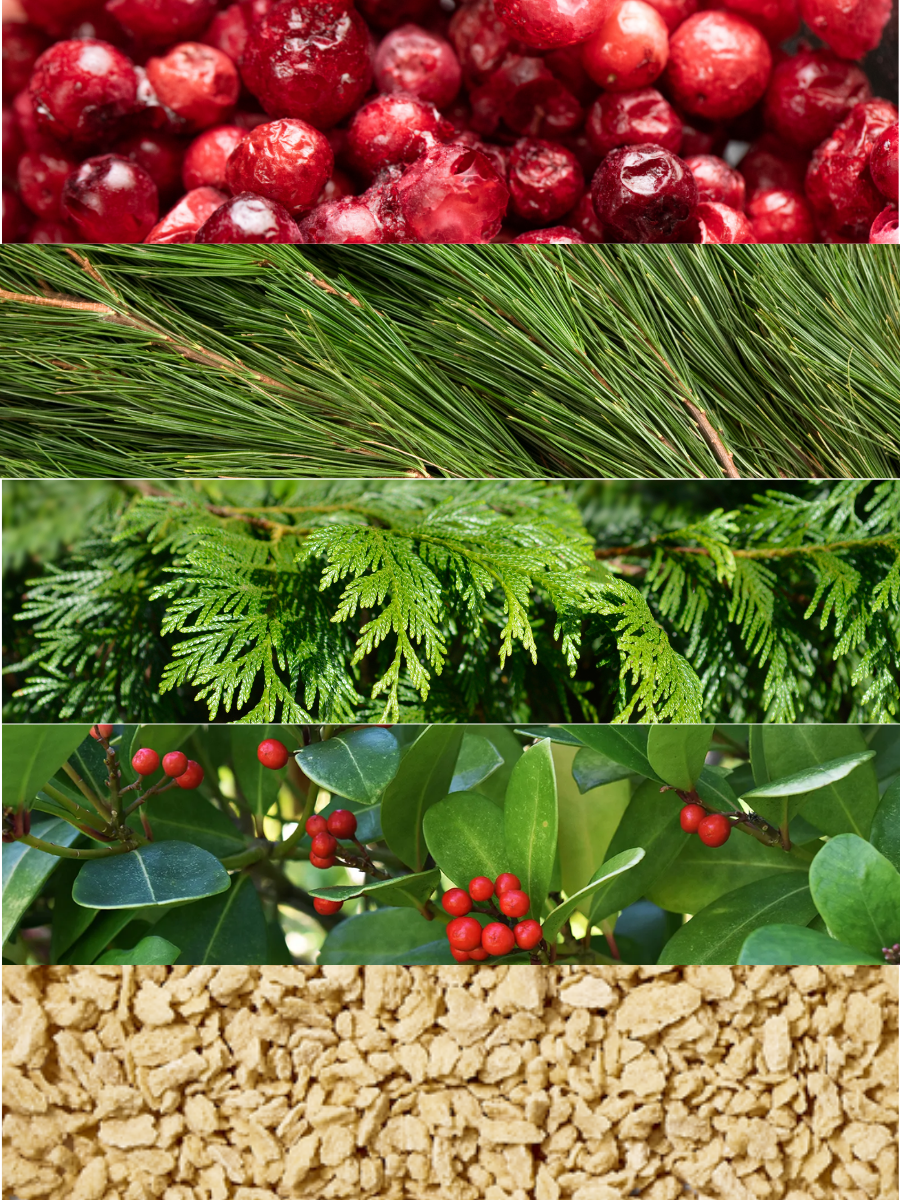
Our Ingredients
Every ingredient in our blends carries two stories; one passed down through generations of Métis knowledge keepers, and one now being confirmed in modern research labs. Here's what goes into every cup, and why.
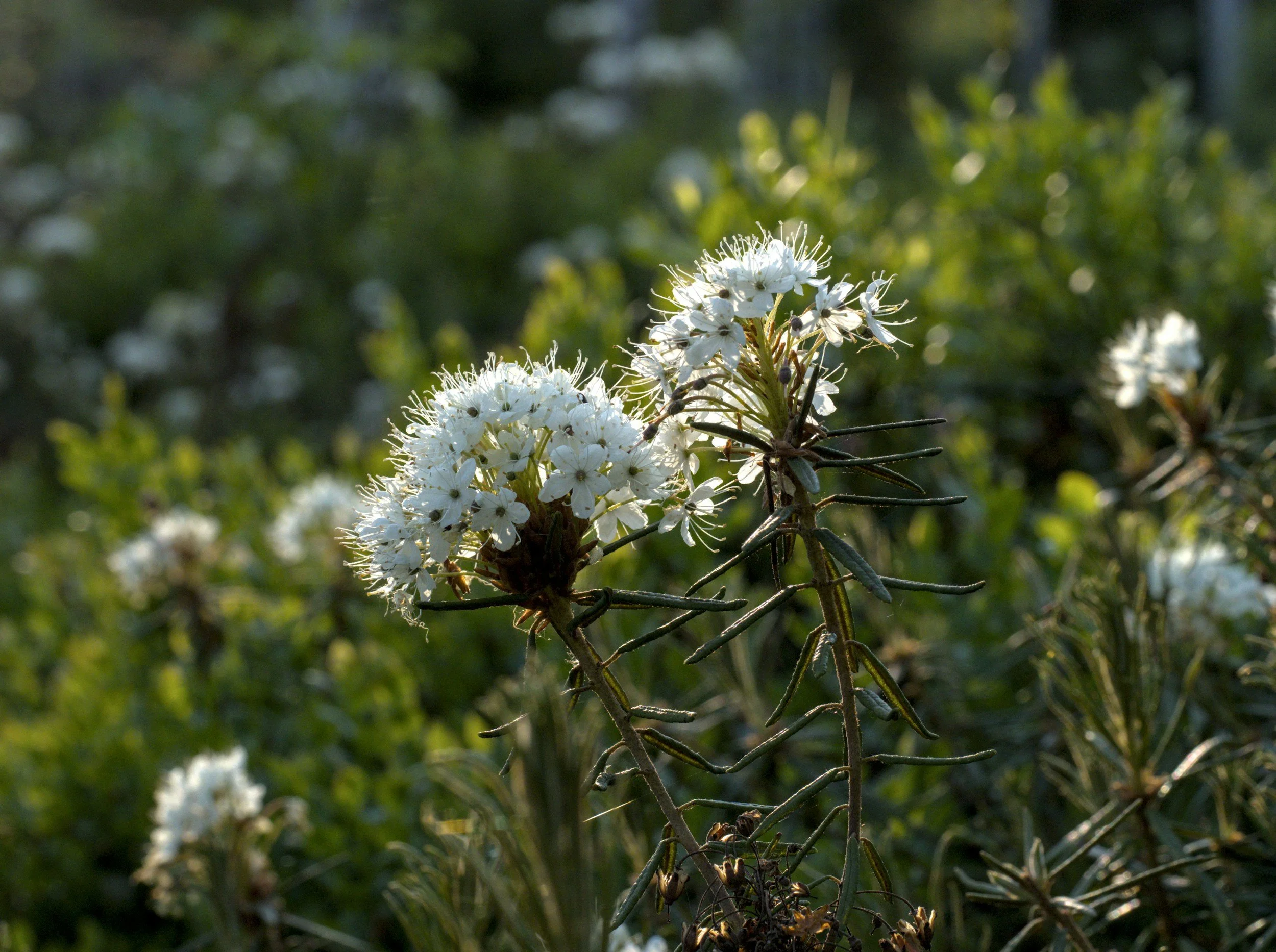
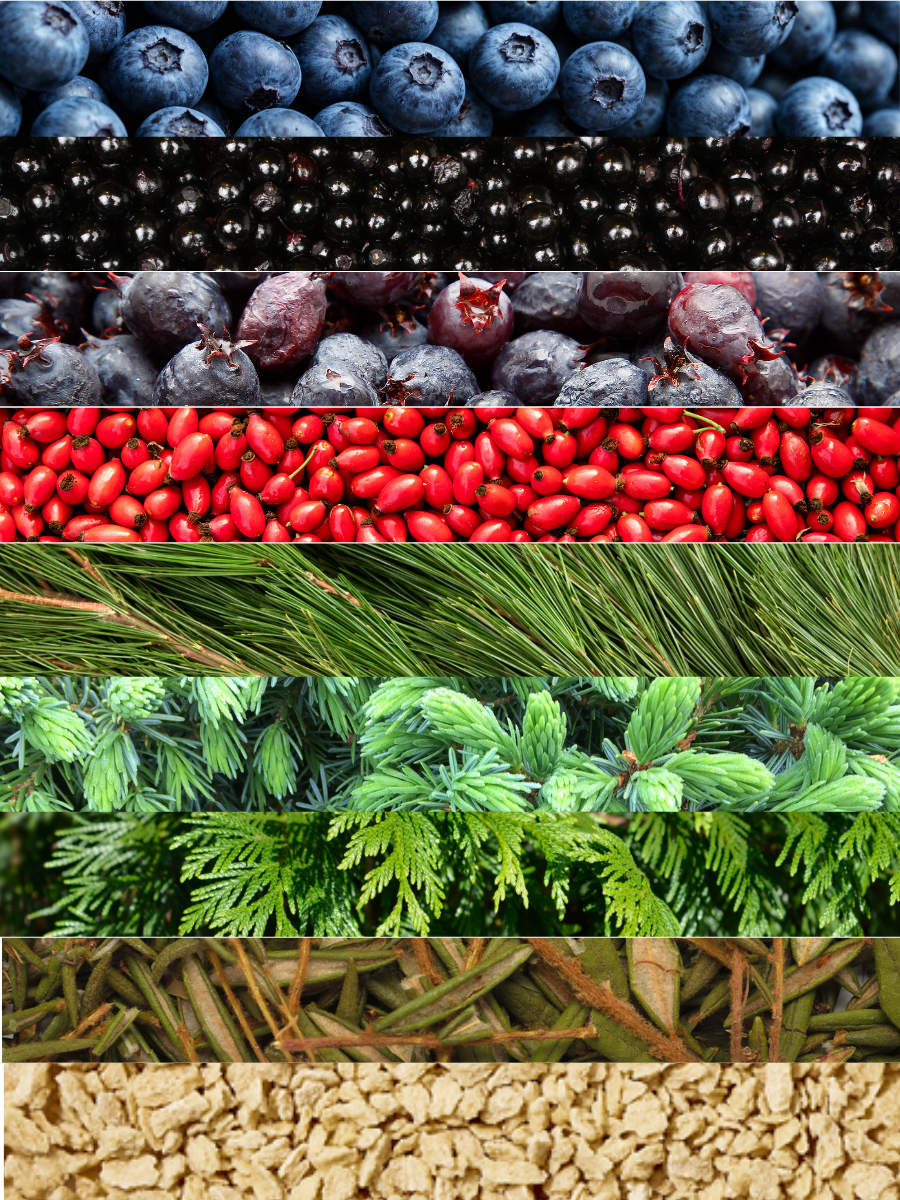
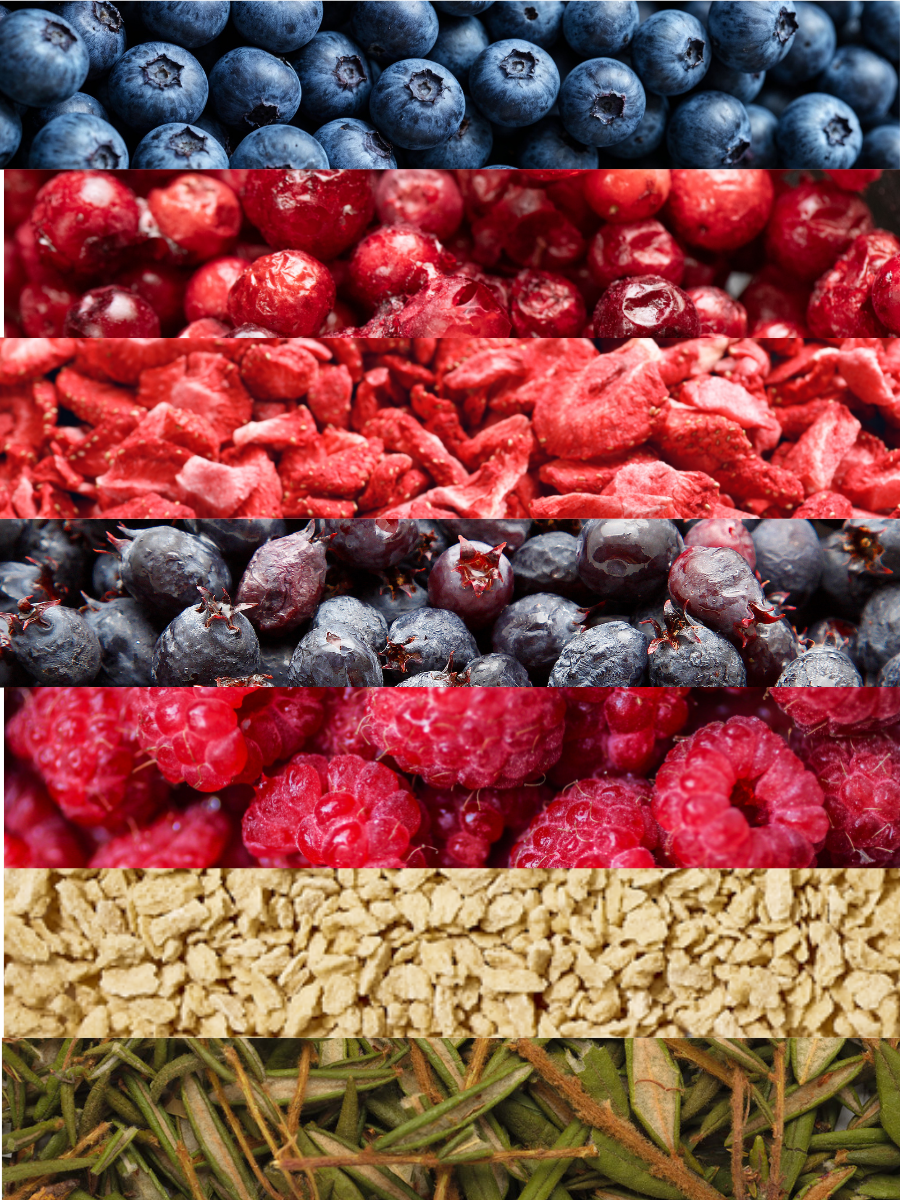
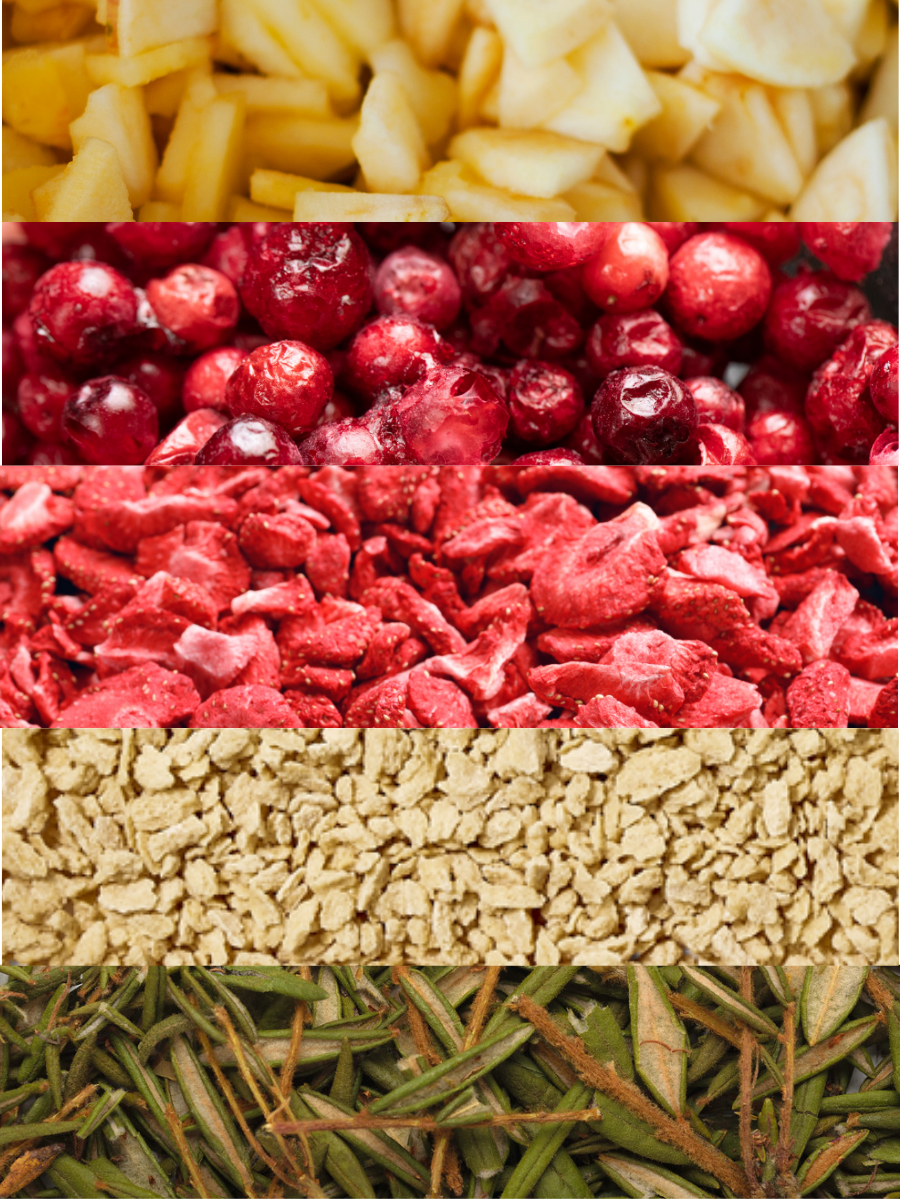
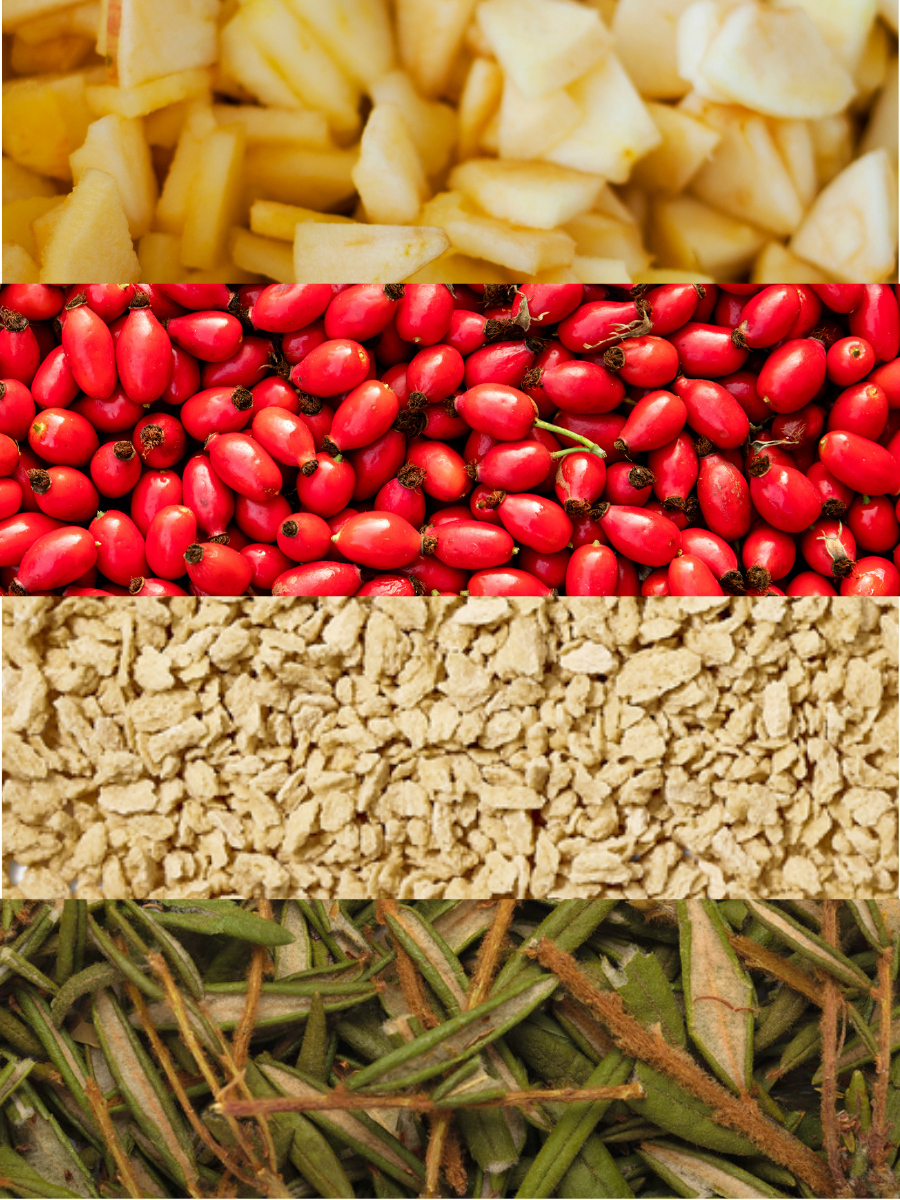
Wildcrafted Labrador Tea Leaves
*Known in Michif as lii tii'd mashkek (Muskego)
Traditional Métis Usage: Labrador tea has been gathered from the boreal muskeg for generations, brewed by families across the North to ease coughs, clear congestion, and support breathing through long, hard winters. It was used as a general tonic for colds, headaches, upset stomachs, and to support kidney health.
Modern Science: Researchers have identified flavonoids, polyphenols, and antioxidant compounds in Labrador tea that help combat oxidative stress. Studies point to anti-inflammatory and antimicrobial properties consistent with its traditional use for respiratory comfort and general wellness. As with any traditional plant medicine, it's best enjoyed in moderation.
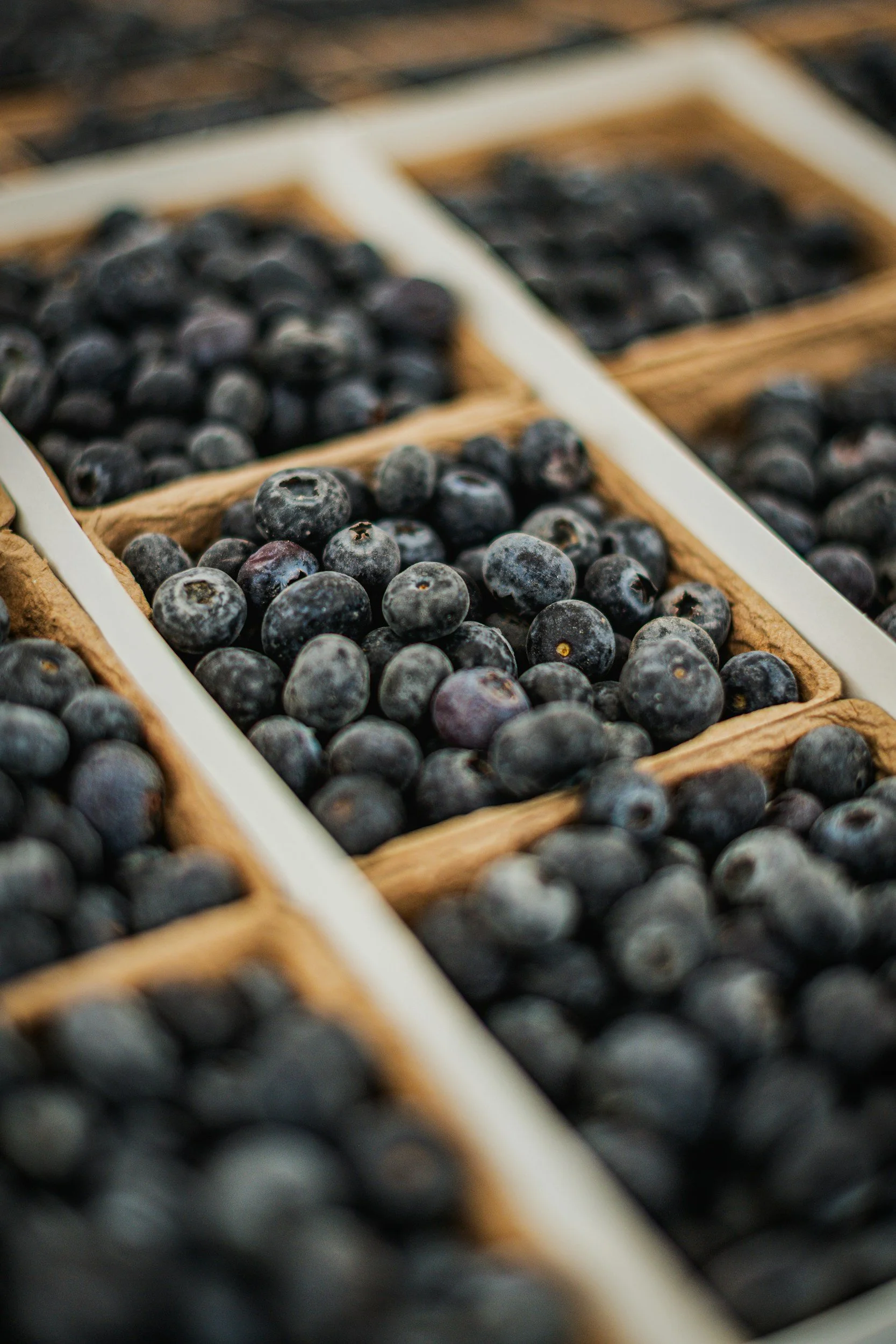
Organic Freeze-Dried Blueberries
*Known in Michif as lii grenn bleu, lii Belwe
Traditional Métis Usage: Blueberries were a staple food across the Homeland, gathered in late summer and dried for the winter months when fresh food was scarce.
Modern Science: Blueberries are among the most antioxidant-dense fruits studied, rich in anthocyanins linked to cellular protection, heart health, and cognitive support. Freeze-drying preserves these compounds far better than heat-based drying.
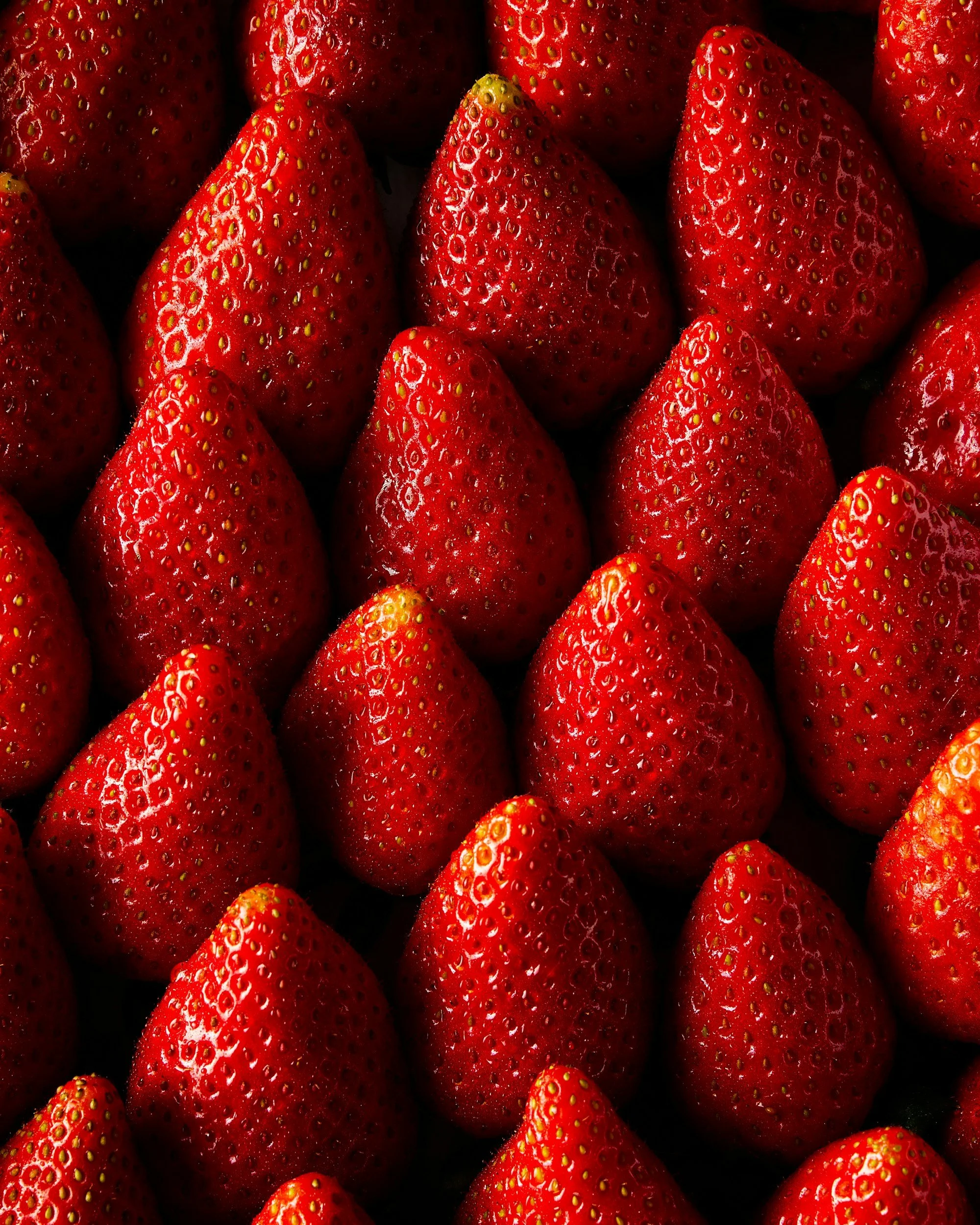
Organic Freeze-Dried Strawberries
*Known in Michif as Frras, Frayz
Traditional Métis Usage: Wild strawberries were a treasured seasonal food, gathered and enjoyed fresh or preserved for later in the year.
Modern Science: Strawberries are high in vitamin C and polyphenols, which support immune function and skin health, along with anti-inflammatory properties.
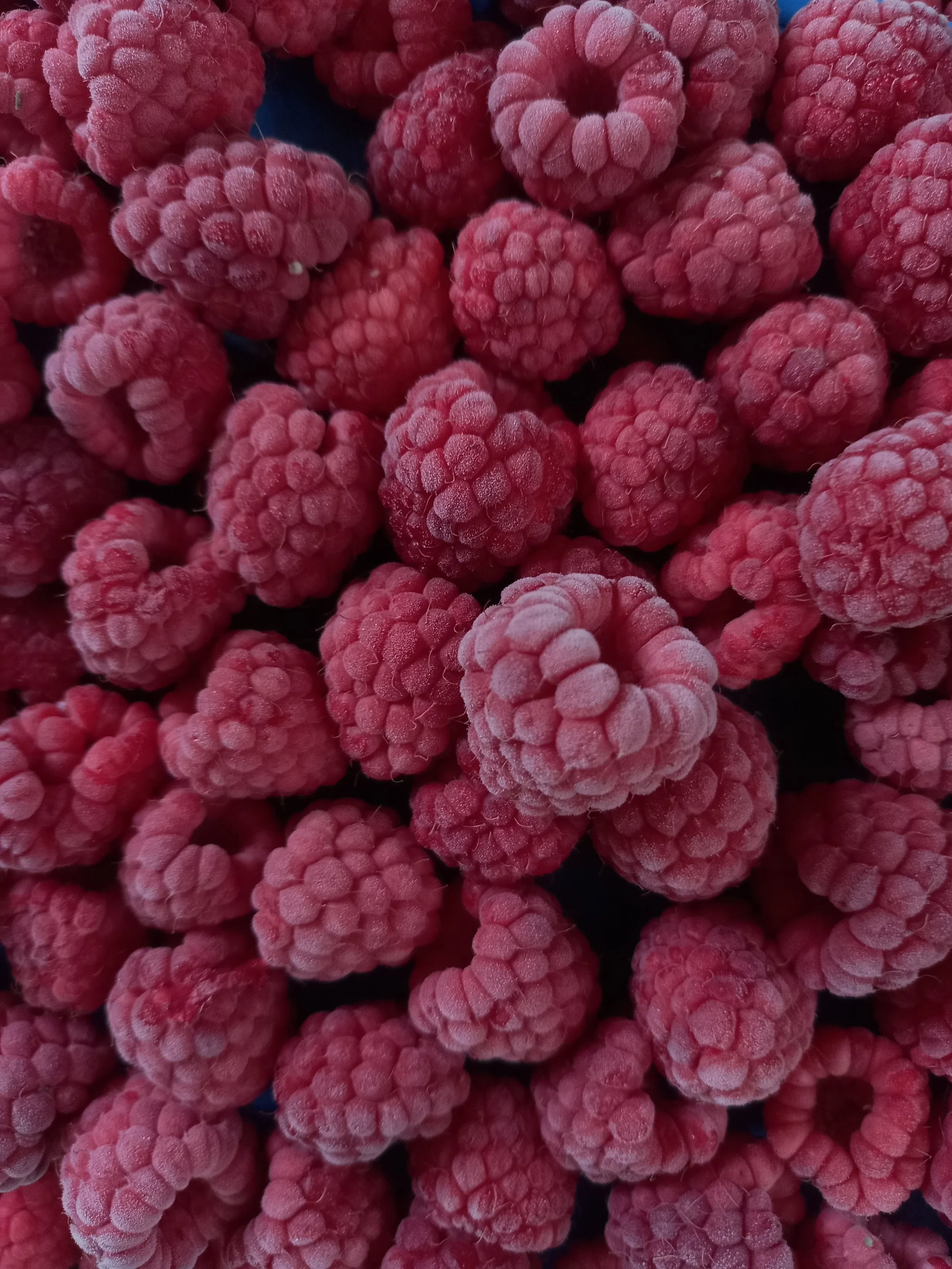
Organic Freeze-Dried Raspberries
*Known in Michif as de franbwez
Traditional Métis Usage: Wild raspberries were gathered across the boreal forest each summer and eaten fresh, mashed into beverages, or dried and pressed into cakes to carry vitamins through the winter months. The leaves, too, were valued and brewed into tea and used to support women's health and soothe digestive complaints.
Modern Science: Raspberries are rich in vitamin C, fiber, and antioxidants like ellagic acid and quercetin, compounds studied for reducing oxidative stress and supporting healthy inflammation response. Raspberry leaf, still used in herbal practice today, has been studied for its supportive role in women's reproductive health.
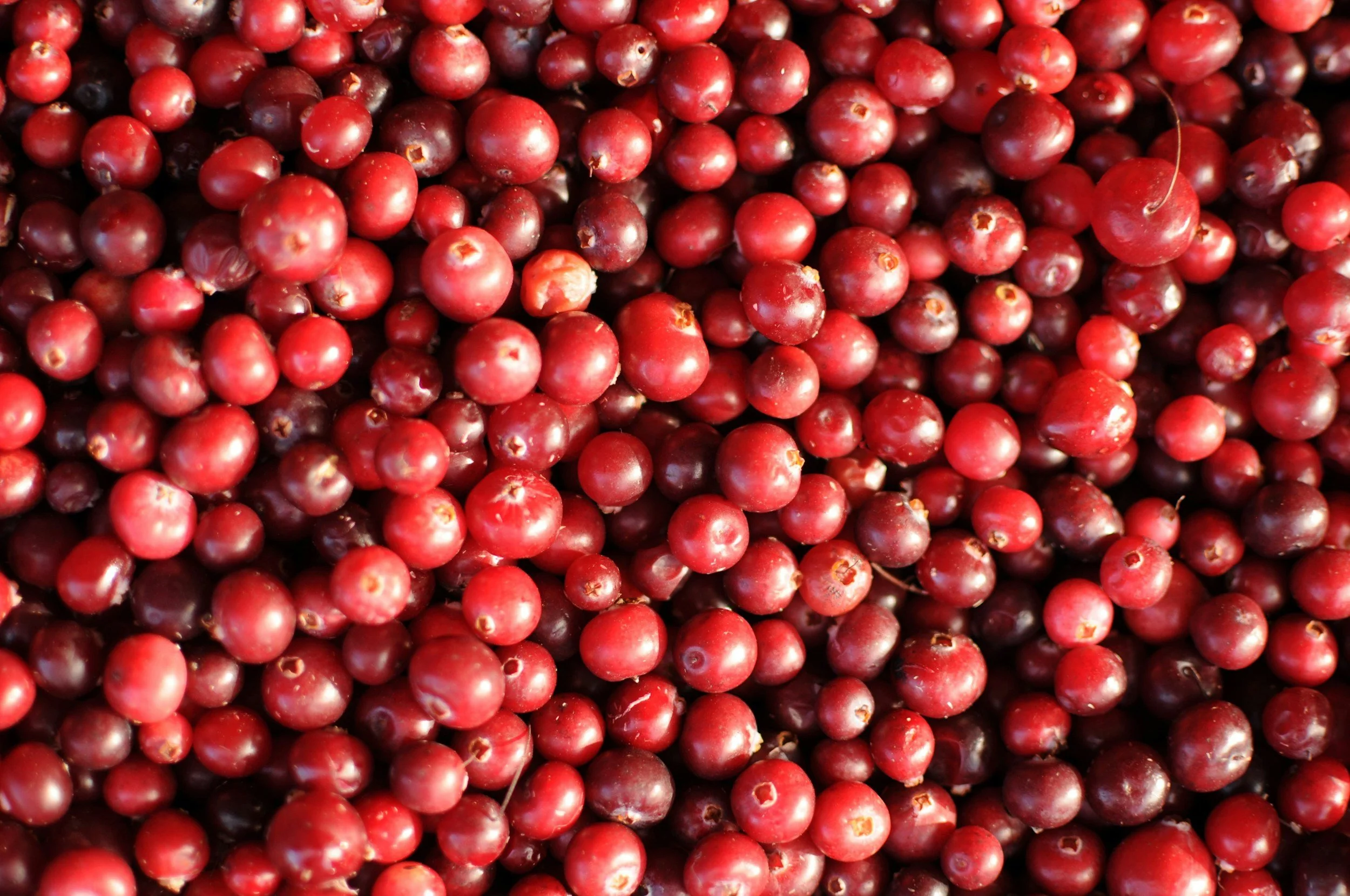
Organic Freeze-Dried Cranberries
*Known in Michif as moosomina
Traditional Métis Usage: Cranberries were harvested well into the fall and stored through winter, valued both as food and as a remedy for urinary and digestive complaints.
Modern Science: Cranberries contain proanthocyanidins studied for their role in urinary tract health, along with antioxidants that support overall immune defense.
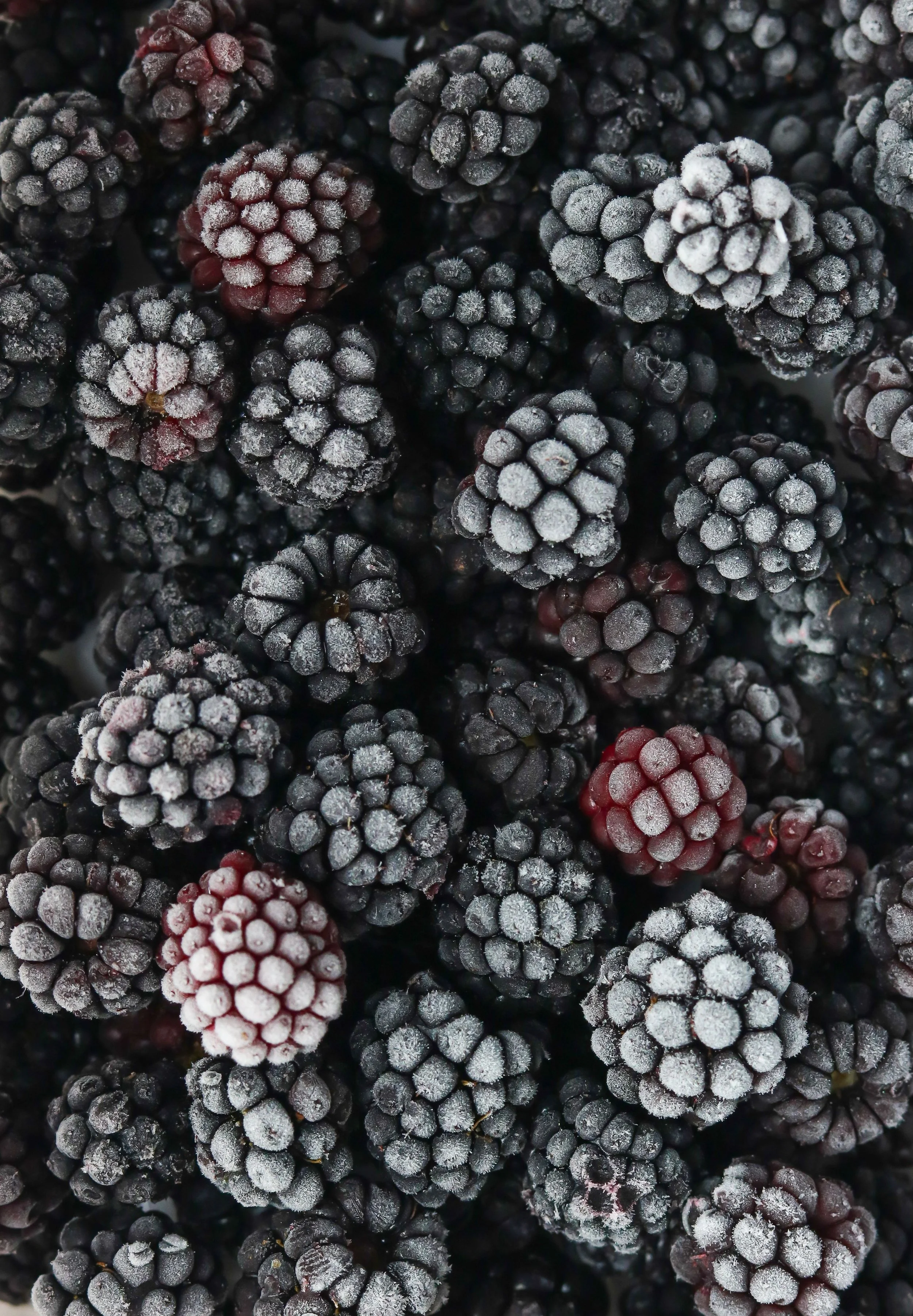
Organic Freeze-Dried Blackberries
*Known in Michif as de mur
Traditional Métis Usage: Wild berries like blackberries were part of the seasonal gathering cycle, eaten fresh, dried, or worked into pemmican for the winter.
Modern Science: Blackberries are rich in vitamin C, fiber, and anthocyanins, compounds studied for supporting healthy inflammation response, digestive health, immune support.
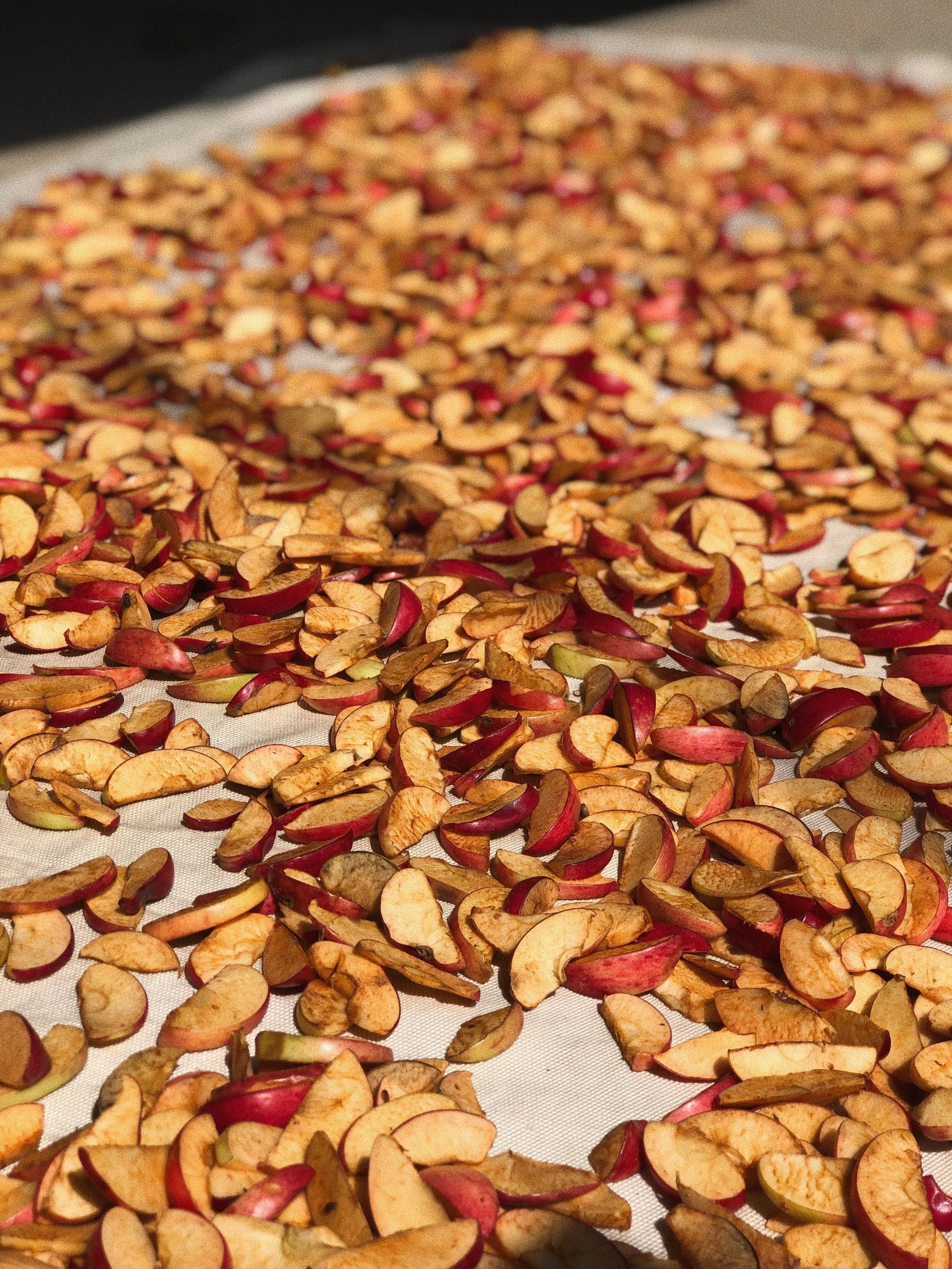
Organic Freeze-Dried Apple Chunks
*Known in Michif as de pawm
Traditional Métis Usage: Apples became part of Métis food tradition following European contact, valued for their sweetness and versatility, and preserved by drying for long-term storage.
Modern Science: Apples provide dietary fiber, particularly pectin, along with polyphenols associated with heart and digestive health.
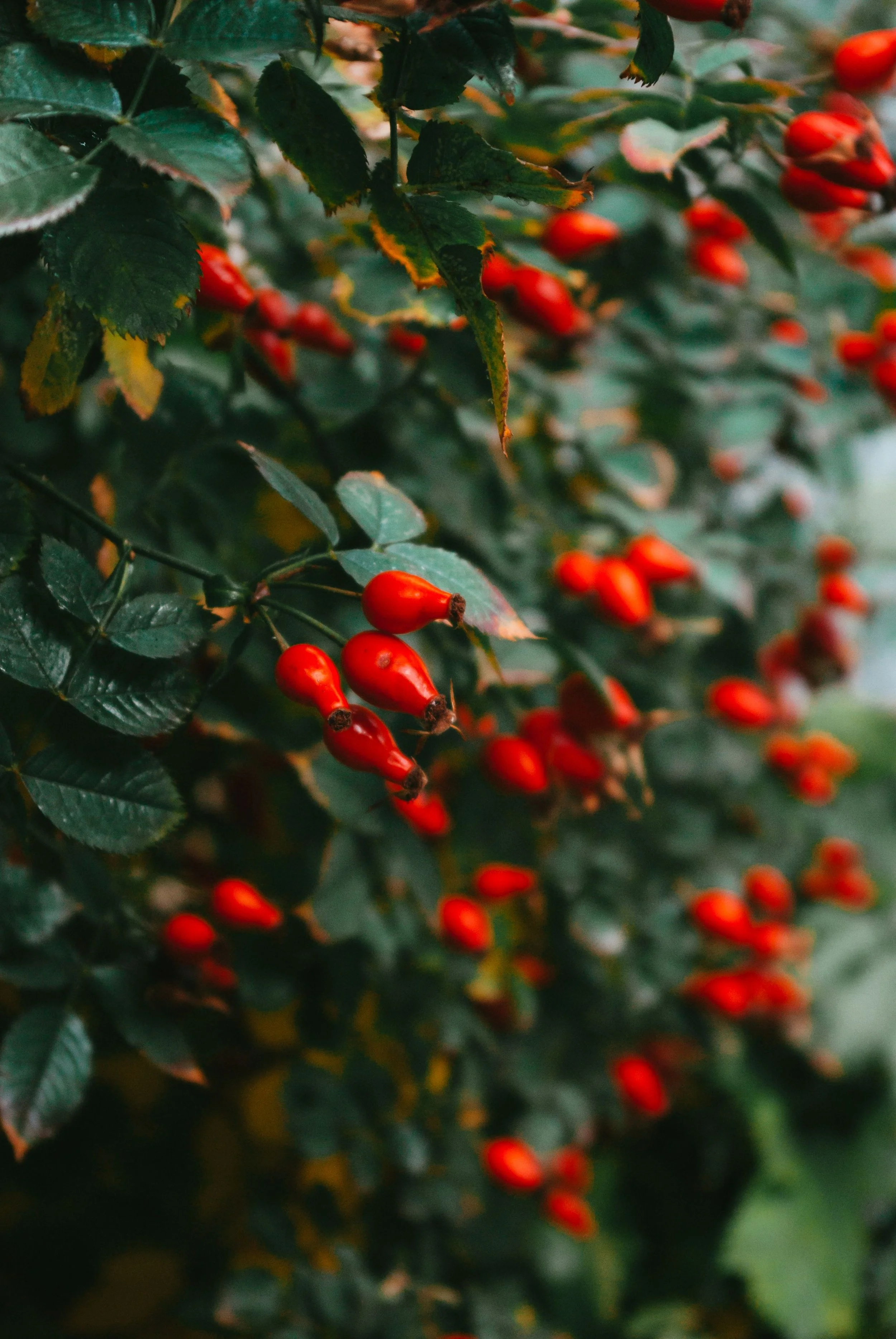
Wildcrafted Rosehip
*Known in Michif as lii bon, tii roozh
Traditional Métis Usage: The hips of the wild rose were gathered in autumn after the first frost, used both as a nourishing food and a remedy, with the petals traditionally used to soothe eye irritation.
Modern Science: Rosehip is exceptionally high in vitamin C and contains carotenoids and polyphenols studied for their anti-inflammatory properties and support of joint and immune health.
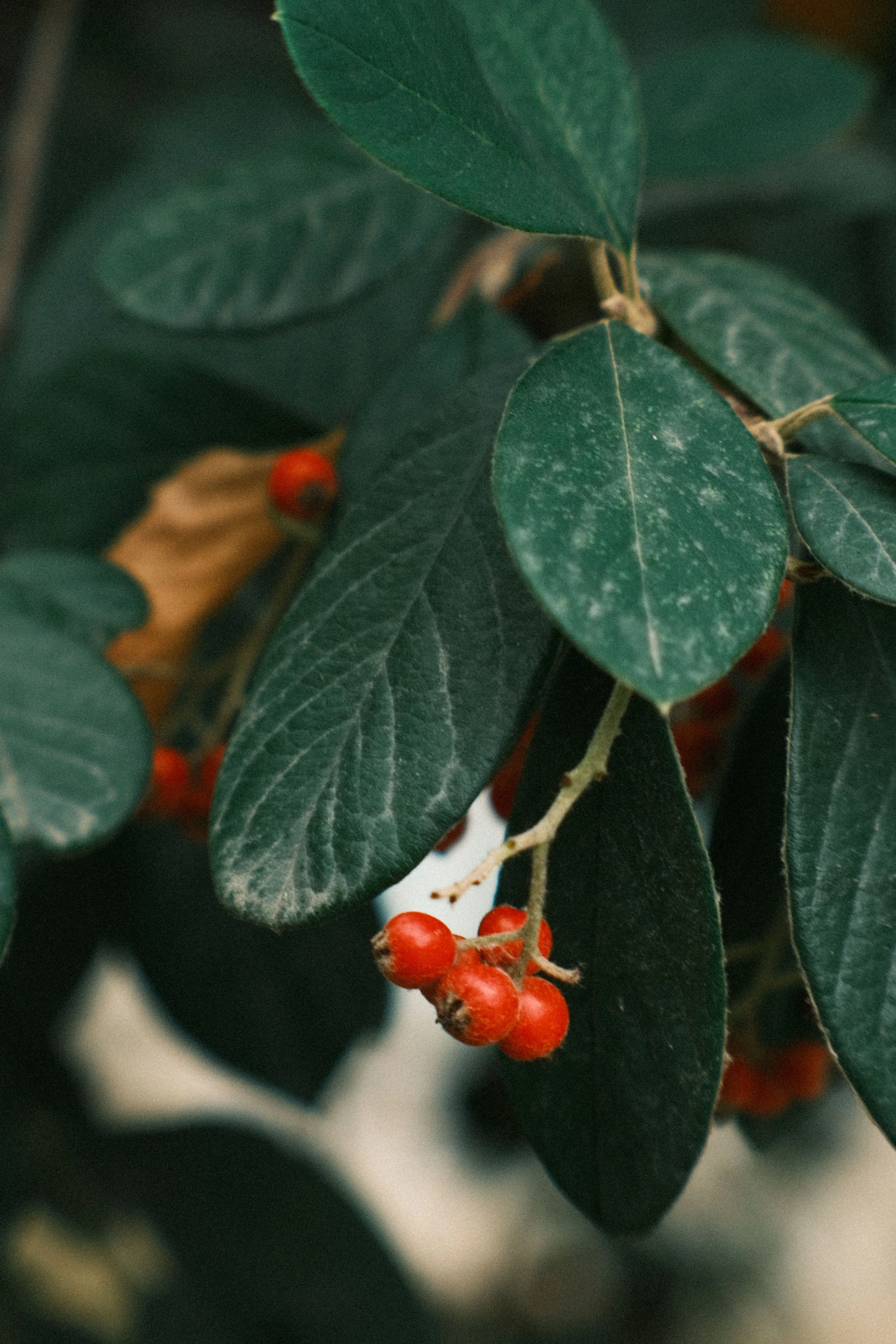
*Known in Michif as lii de grin dpadri
Traditional Métis Usage: Wintergreen leaves were brewed into tea or used topically to relieve headaches, sore muscles, joint pain, and respiratory discomfort — a plant so central to Indigenous medicine across the continent that it shaped early Western pain remedies.
Modern Science: Wintergreen contains methyl salicylate, a compound chemically related to aspirin, which explains its long-documented analgesic and anti-inflammatory effects, along with antioxidant flavonoids.
Wildcrafted Wintergreen Leaves
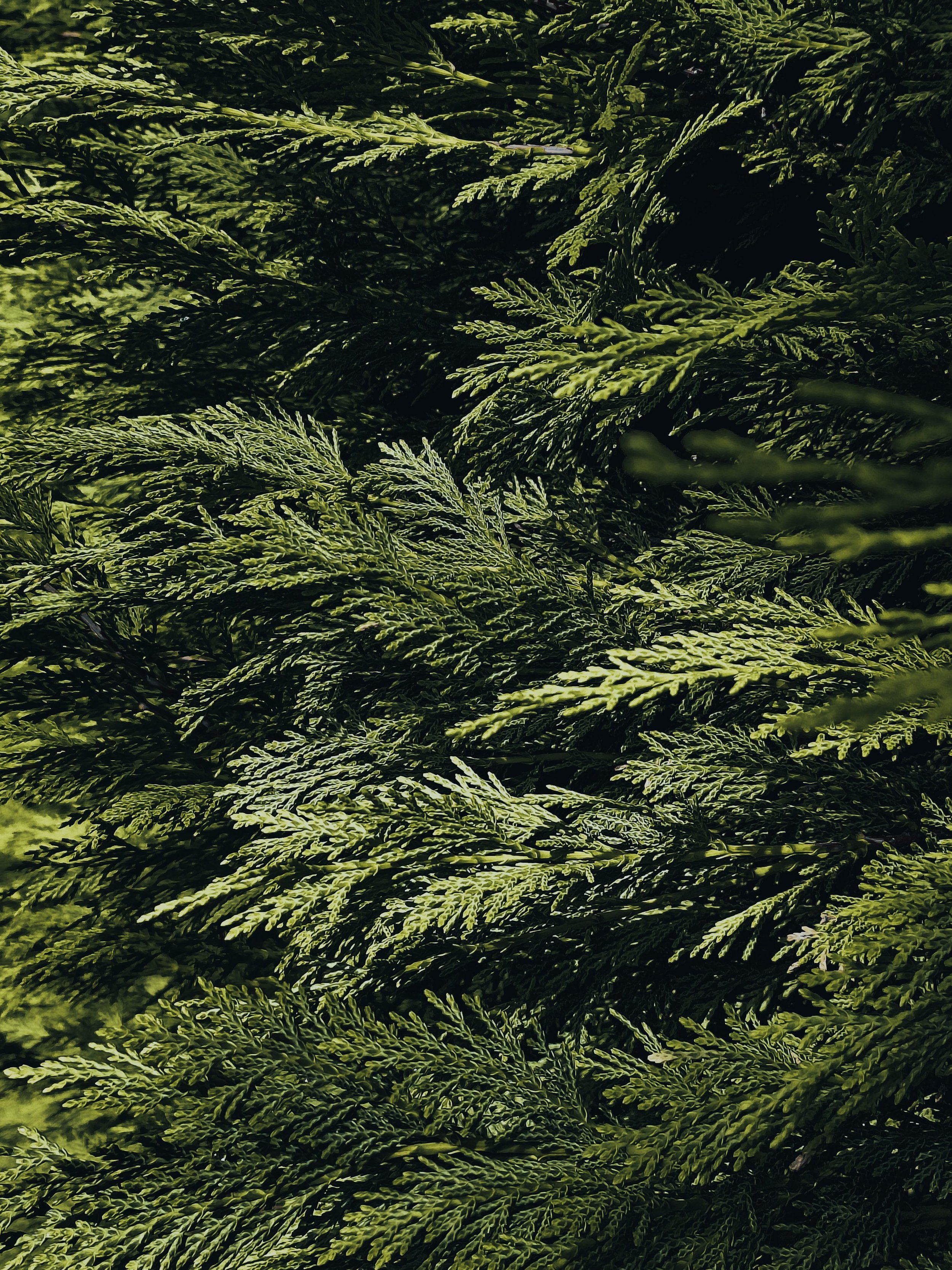
Wildcrafted Cedar
*Known in Michif as lii de sèd
Used mindfully and traditionally in small amounts
Traditional Métis and First Nations Usage: Cedar tea holds deep significance across Indigenous nations, famously used to cure Jacques Cartier's scurvy-stricken crew in 1535–36 with knowledge shared by the St. Lawrence Iroquoian people. Cedar is considered one of the sacred medicines in many Indigenous traditions, used to support physical, mental, emotional, and spiritual wellbeing.
Modern Science: Cedar is notably high in vitamin C, which explains its historic role in preventing and treating scurvy. Because cedar is potent, it has traditionally been used sparingly and prepared with care — a practice we honour in how we source and blend it.
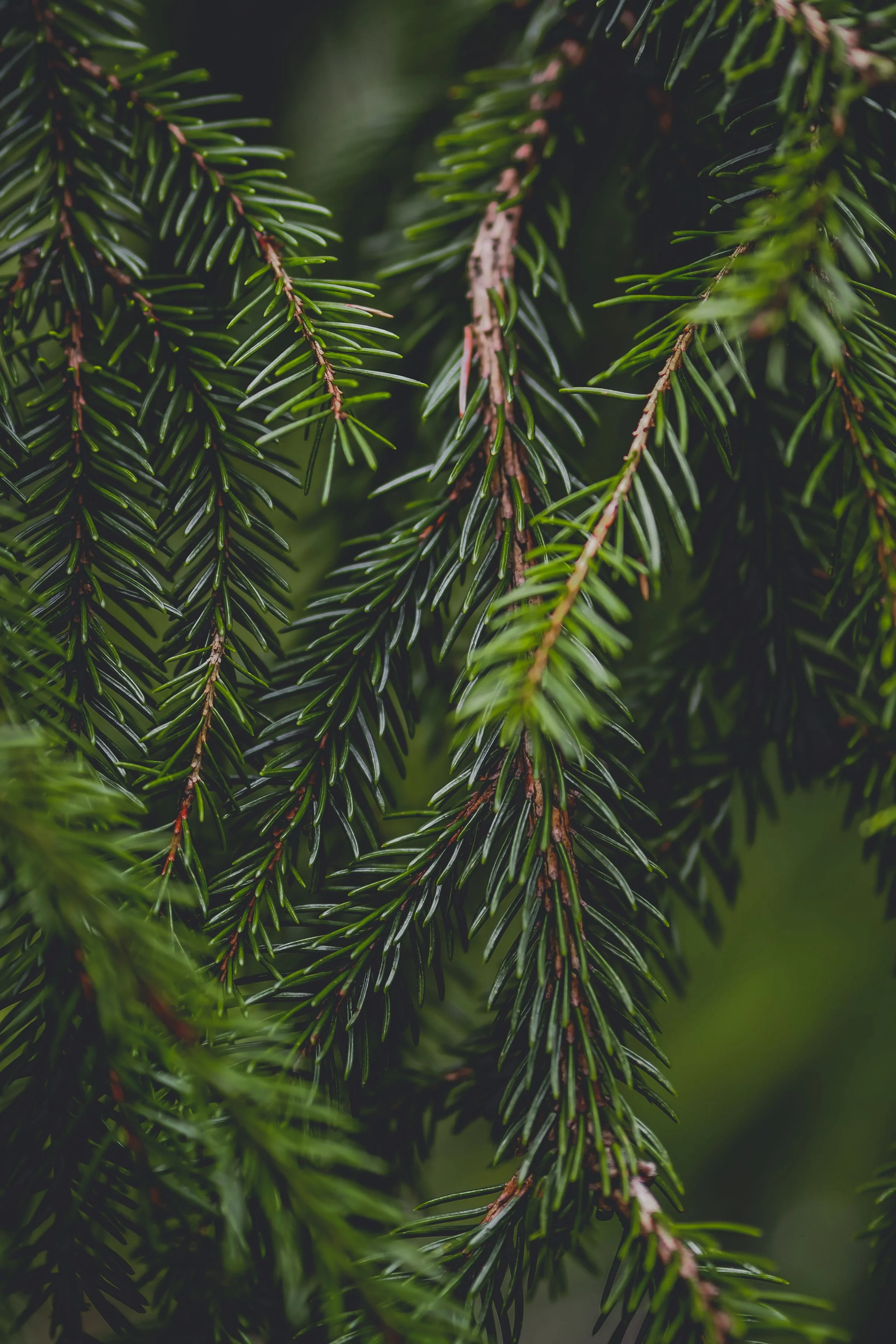
Wildcrafted Pine Needles
*Known in Michif as equiy de pin
Sourced from safe, edible species and prepared with care
Traditional Métis and First Nations Usage: Pine needles were gathered across the Homeland and brewed into a bright, resinous tea, valued for supporting respiratory health through cold and flu season. Alongside cedar and spruce, pine needle tea is part of the family of conifer infusions long relied upon in northern winters when fresh food was scarce.
Modern Science: Pine needles are notably rich in vitamin C and vitamin A, along with antioxidant plant compounds studied for immune support and respiratory comfort. As with cedar, correct species identification matters. Not all pine species are safe for consumption, which is why sourcing and preparation are done with the same care our Elders taught us.
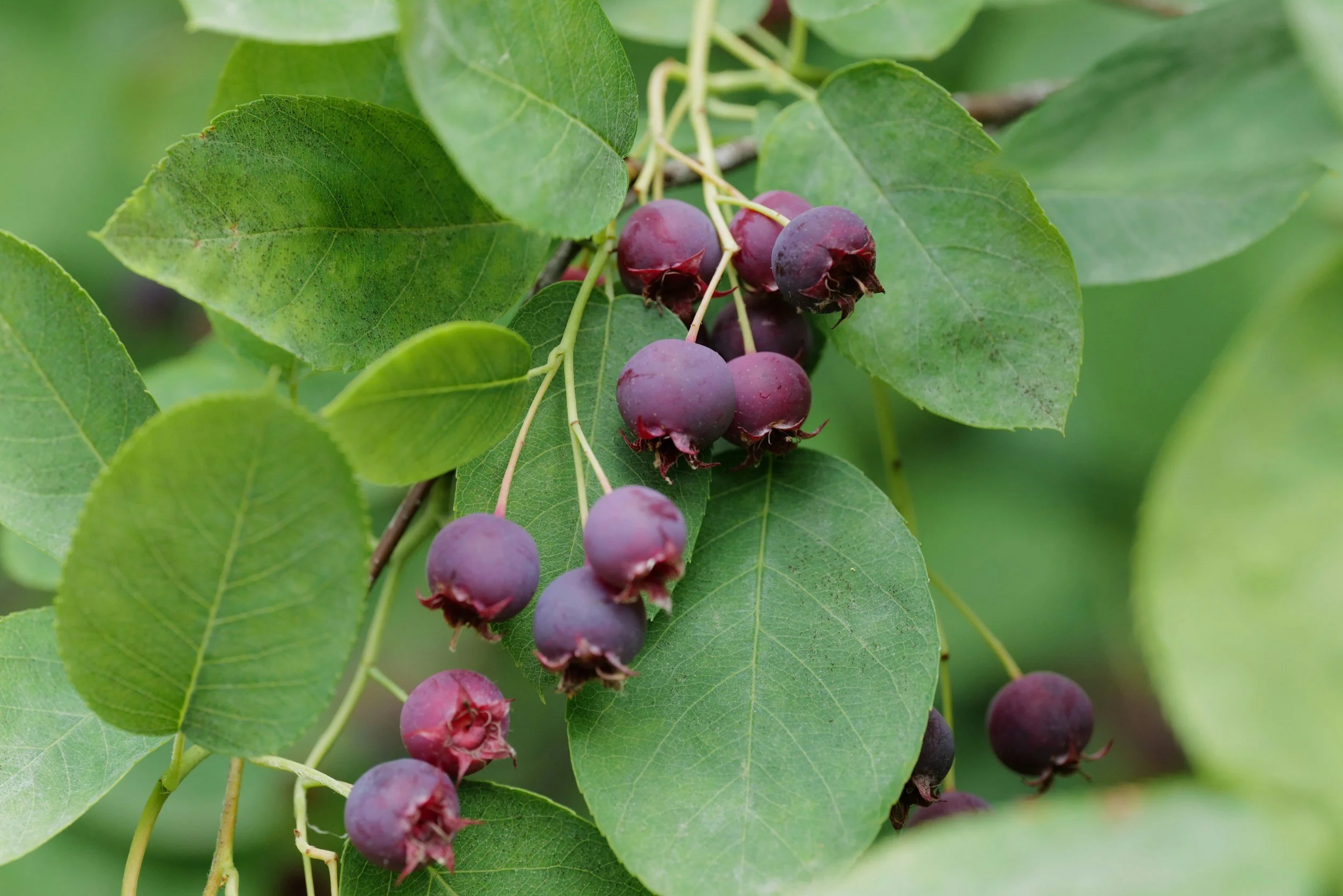
*Known in Michif as lii pwer
Traditional Métis Usage: Saskatoon berries were one of the most important traditional foods across the country. It was dried and stored for winter, and mixed into pemmican to provide sweetness and lasting nourishment through the harshest months.
Modern Science: Saskatoon berries are rich in iron and vitamin C, with antioxidant levels comparable to blueberries, supporting immune health and everyday vitality.
Organic Freeze-Dried Saskatoon Berries
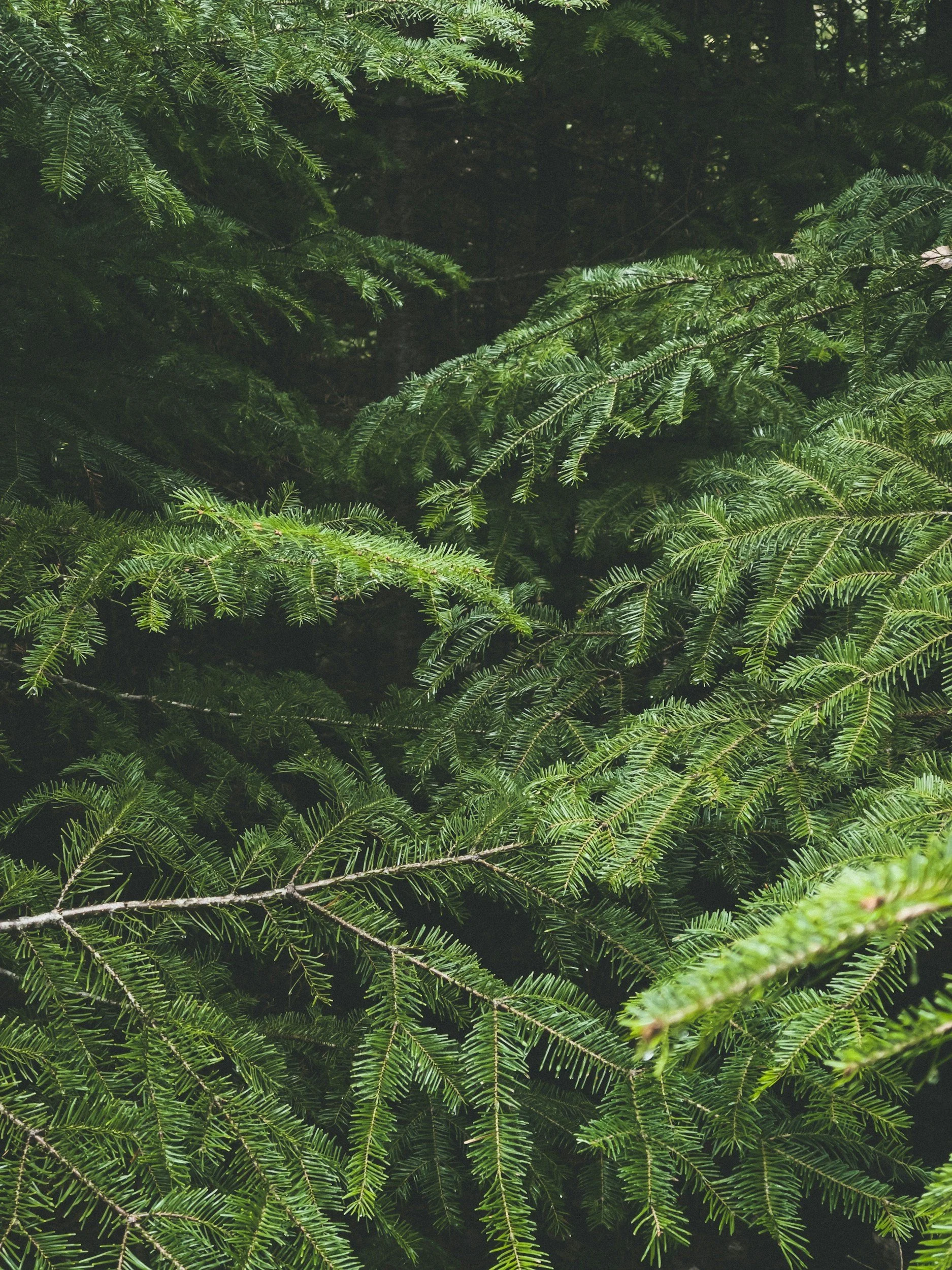
Dried Spruce Tips
*Known in Michif as equiy de epinet
Traditional Métis Usage: White spruce needles were gathered by Red River Métis families and brewed into tea, or used in steam baths, to ease congestion and flu symptoms through the winter months.
Modern Science: Spruce tips are a strong natural source of vitamin C, historically credited alongside other conifer teas with helping prevent scurvy in Canada's northern winters, and continue to be valued today for their immune-supporting properties.
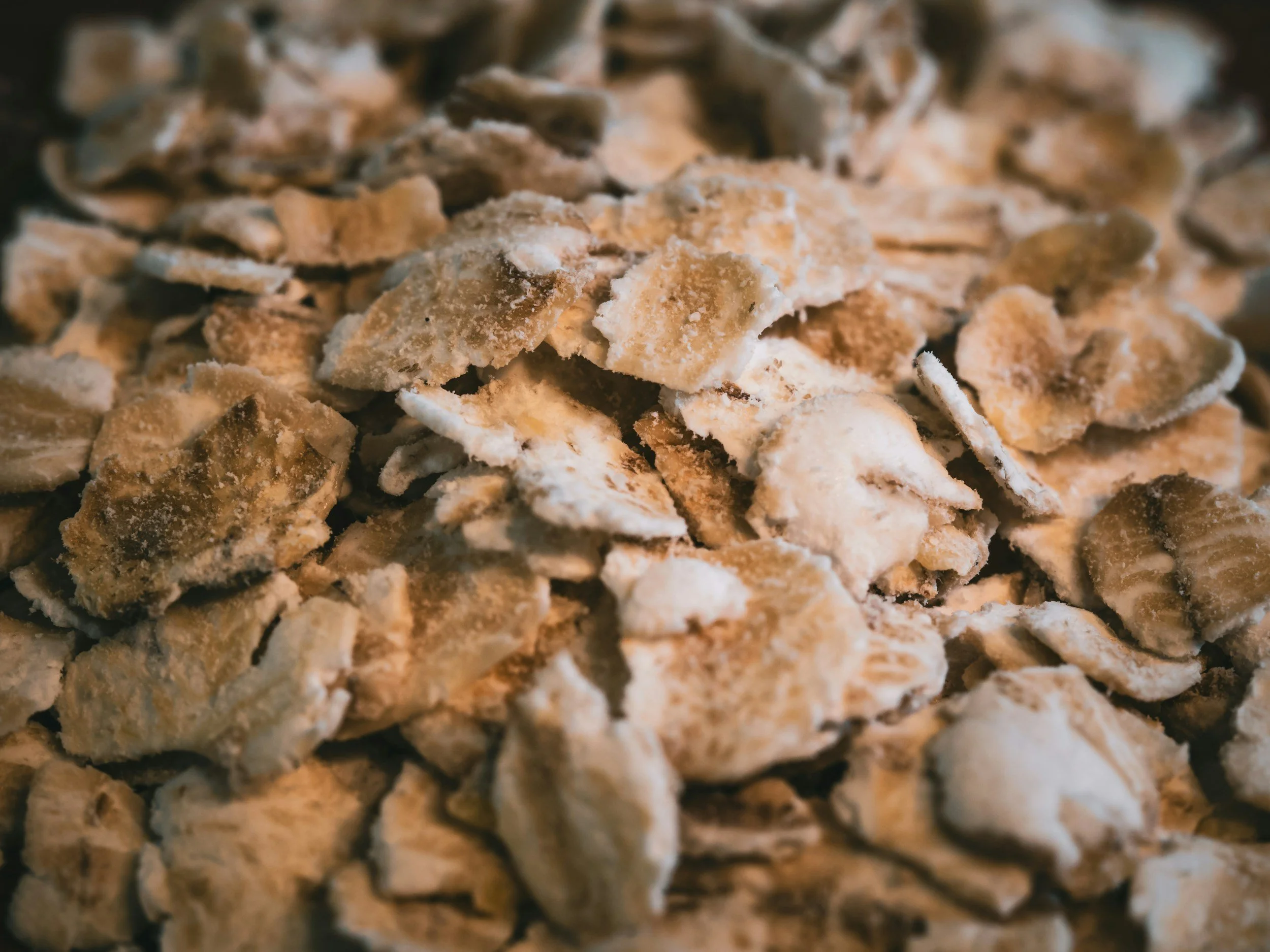
Organic Maple Flakes
*Known in Michif as suk érab
Traditional Métis Usage: Maple trees were tapped each spring by Red River Métis families, a practice woven into the seasonal cycle alongside hunting, fishing, and gathering. The sap was boiled down into a treasured natural sweetener.
Modern Science: Maple contains natural minerals like manganese and zinc, along with antioxidant compounds, making it a more nutrient-dense alternative to refined sugar.

We proudly support Canadian growers, harvesters, and wildcrafters in everything we make. We never use artificial colours or flavours, only what this land has always offered, gathered and grown with care.
This content is for educational purposes and reflects traditional use and general wellness research. It is not intended as medical advice.
*A note on Michif:
Michif is not one single, uniform language — it's a living reflection of the diverse communities and mixed heritage that shaped the Métis Nation. Depending on where a family's roots lie across the Homeland, Michif draws differently from Cree, Anishinaabemowin (Ojibway), and French, alongside other Indigenous languages.
This means the same plant may be known by different names from one region or family to the next — all of them valid, all of them carrying their own history. The names we share here reflect one tradition among many, and we honour the fact that your own family or community may know these same plants by different words.
The Michif names included above are drawn from the Indigenous Peoples Atlas of Canada. For readers who want to go deeper into Métis plant knowledge, we recommend:
Medicines to Help Us: Traditional Métis Plant Use by Christi Belcourt, with Michif translation by Laura Burnouf and Rita Flamand, and Elder validation by Rose Richardson (Gabriel Dumont Institute, 2007). Based on Belcourt's painting of the same name, this resource honours the healing traditions of Métis women and presents plant names in Michif, Cree, and Ojibway.
Available through the Gabriel Dumont Institute.